L-1A Visa Business Plan: Building a Strong USCIS Submission
Learn how to craft an L-1A visa business plan that meets USCIS criteria with clear company ties, financials, and staffing plans.

Applying for an L-1A visa involves much more than filling out forms. At Seeder Visa Solutions, we have seen first-hand how a compelling business plan often determines the success of both individual applicants and law firms working on behalf of their clients. Each application is a story—of opportunity, expansion, and leadership—and every detail matters.
Understanding the L-1A visa: Purpose and eligibility
The L-1A visa is designed for companies looking to transfer managers or executives from an overseas branch to a U.S. office. This visa route allows both established businesses and growing companies to expand operations in the United States by leveraging key personnel.
Managers and executives power international growth.
According to the USCIS Policy Manual, those considered for this category must have the authority and responsibility to manage company functions or direct the enterprise with autonomy. Frontline supervisors typically do not qualify, as managerial and executive roles require advanced decision-making and leadership.
To qualify, the applicant must:
- Be employed for at least one continuous year in the past three years by the foreign entity.
- Intend to fill a managerial or executive position at the new or existing U.S. office.
- Show a qualifying company relationship between the foreign and U.S. entities.
An L-1A business plan should document all of these requirements with clear, concise evidence that convinces the USCIS of the entity’s organizational strength and future plans.
Key elements of a strong L-1A visa business plan
Building a business plan for the L-1A process is not just about meeting minimum requirements. Instead, we guide law firms and individual petitioners to create a narrative that supports every aspect of the application with credible, organized materials.
A compliant business plan usually includes these main sections:
- Executive summary that succinctly details the business, its goals, and its U.S. expansion plans
- Company overview with ownership structure and company history
- Detailed market analysis, demonstrating a clear understanding of the U.S. sector and target market
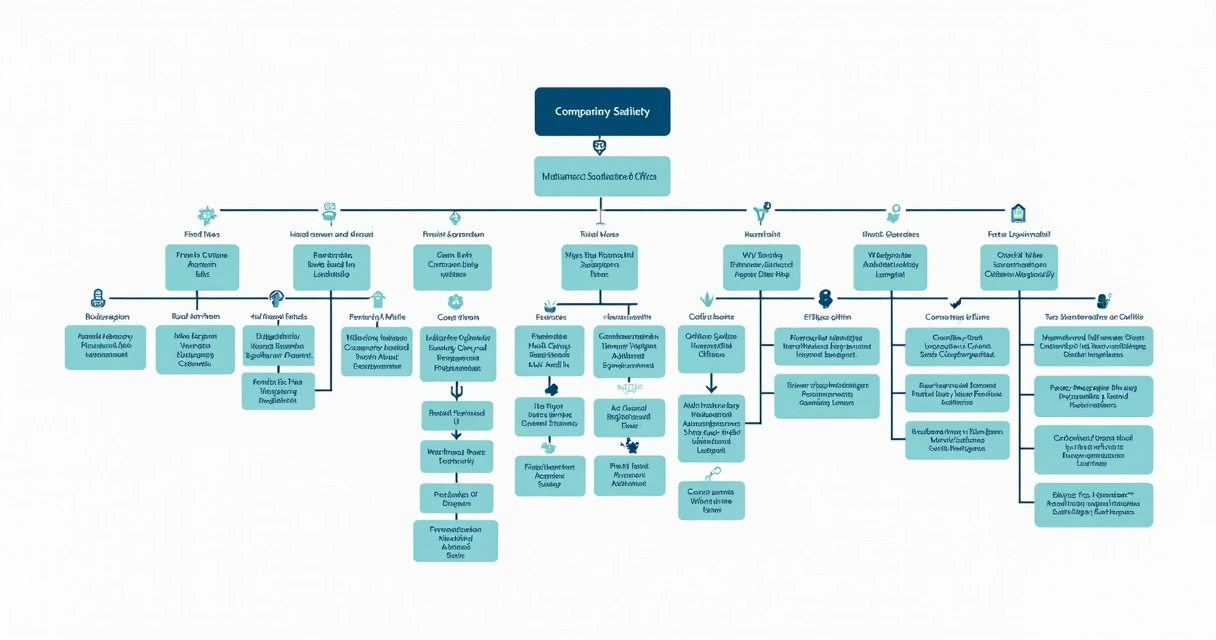
- Organization chart that documents the relationship between the foreign and U.S. offices
- Job descriptions that outline managerial or executive duties
- Hiring plan, including intended staff growth and future job creation
- Financial statements, forecasts, and budget for at least five years
- Operational plans covering day-to-day and long-term strategies

The business plan must not just describe the company, but convince USCIS officers that the U.S. operation will be viable and create jobs in the foreseeable future.
Breaking down the business plan: What must be proven?
Often, a strong L-1A business plan follows this sequence:
- Show company relationship: Clear explanation of parent, branch, subsidiary, or affiliate links, often illustrated by an organization chart and supporting incorporation documents.
- Define the executive or managerial role: Not just a title—describe responsibilities like directing other managers, setting policies, and making high-level decisions.
- Operational viability: Lay out how the U.S. office will support itself—financials, target customers, service or product offerings, and projected growth.
- Job creation: The plan should forecast growth in hiring, especially for new offices, spelling out a timeline and rationale for each position.
- Growth strategy: Explain exactly how the company plans to enter the U.S. market and reach revenue targets.
In our experience, providing specific and credible evidence for each section reduces uncertainty for USCIS adjudicators and can speed up the process.
Documenting new U.S. office launches: Key steps
Launching a new U.S. office as part of an L-1A application has extra documentation demands. We help our clients, both law firms and individual petitioners, build a plan that covers all bases.
Here’s a step-by-step outline for presenting a new office:
- Clarify the relationship to the foreign entity, providing articles of incorporation and share documents.
- Describe the office location and secure a lease agreement to show intent and operational readiness.
- Map out a realistic hiring schedule, including the managerial or executive position to be occupied by the transferee.
- Offer detailed market entry plans, identifying key clients, marketing channels, and potential partnerships.
- Provide initial and projected financial statements to show how the U.S. office will reach self-sufficiency within one year.
Every aspect of a new office launch must demonstrate permanence, preparation, and growth.
We have found that when all parties work together to present a thoughtful and documented roadmap, USCIS officers have fewer doubts about the applicant’s seriousness and the business’s potential.
Common challenges and mistakes in L-1A business plans
Over the years, we have identified frequent pitfalls that can slow down or sink an L-1A business plan submission:
- Vague job descriptions that do not make it clear the position is managerial or executive
- Weak or missing proof of company relationship between foreign and U.S. entities
- Unrealistic financial projections that USCIS considers “overly optimistic” or unsupported
- Lack of a credible hiring plan, especially for new offices
- Generic or incomplete market analysis that fails to demonstrate understanding of the local business environment
- Boilerplate or recycled documents not tailored to the specific company and visa situation
- Missing details regarding day-to-day operations and operational sustainability
USCIS expects documentation that is consistent, realistic, and individualized for the specific application and business setting.
Expert support: Why seek professional help?
We believe that thorough guidance from experienced consultants makes a world of difference in creating a persuasive business plan. Not only do we know the requirements, but we have watched hundreds of cases unfold.
Getting the details right can decide your application’s fate.
For law firms serving multiple corporate clients, and for individual petitioners, effective collaboration and tailored documentation are the keys to faster approvals and less frustration. Seeder Visa Solutions focuses on combining human expertise with technology to create custom, high-quality business plans while saving preparation time and cost for all our partners.
Moving forward: Build your case with confidence
Crafting a clear, convincing L-1A business plan opens doors to international expansion and stronger organizational growth. By focusing on clear storytelling, precise documentation, and future planning, you can increase the odds of approval and set your U.S. operations on the right track from day one.
At Seeder Visa Solutions, we take pride in helping law firms and individual leaders make their business and career goals a reality. If your next step includes expanding to the U.S. or supporting a client’s transfer, connect with us to see how our tailored business planning can help you succeed.
Frequently asked questions
What is an L-1A visa business plan?
An L-1A visa business plan is a required document for companies transferring executives or managers to a U.S. office, outlining the company structure, market, hiring plans, operations, and budget. It proves to USCIS that the transferee will hold a qualifying position in a viable U.S. business with credible future prospects.
How do I write a strong L-1A plan?
To write a strong L-1A submission, gather precise company information, draft detailed role descriptions, include a robust organization chart, research the U.S. market, and create realistic hiring and financial projections. Each statement should be backed by documents and every section tailored to the specific business and visa situation. Consulting with immigration professionals or specialists like Seeder Visa Solutions can improve both content and approval chances.
What should be included in the plan?
The plan should have an executive summary, company overview, market analysis, organization chart, job descriptions, hiring plan, operational description, and long-term financial forecasts. If opening a new office, include lease agreements and proof of preparation. Each section should tie back to showing ongoing business activity, job creation, and leadership in the U.S. entity.
How much does an L-1A business plan cost?
Costs can vary based on the complexity of your business and the level of professional support required. Some companies and individual petitioners choose to work with immigration consultants, such as Seeder Visa Solutions, to reduce preparation time and cost while ensuring high-quality documentation.
Is a professional business plan necessary for L-1A?
While not strictly required by law, a detailed and customized business plan is necessary for a strong L-1A application, especially for new or growing businesses. USCIS officers expect credible, thorough business plans as evidence of company intent and eligibility, making professional support highly recommended for law firms and applicants seeking the best outcomes.
Applying for an L-1A visa involves much more than filling out forms. At Seeder Visa Solutions, we have seen first-hand how a compelling business plan often determines the success of both individual applicants and law firms working on behalf of their clients. Each application is a story—of opportunity, expansion, and leadership—and every detail matters.
Understanding the L-1A visa: Purpose and eligibility
The L-1A visa is designed for companies looking to transfer managers or executives from an overseas branch to a U.S. office. This visa route allows both established businesses and growing companies to expand operations in the United States by leveraging key personnel.
Managers and executives power international growth.
According to the USCIS Policy Manual, those considered for this category must have the authority and responsibility to manage company functions or direct the enterprise with autonomy. Frontline supervisors typically do not qualify, as managerial and executive roles require advanced decision-making and leadership.
To qualify, the applicant must:
- Be employed for at least one continuous year in the past three years by the foreign entity.
- Intend to fill a managerial or executive position at the new or existing U.S. office.
- Show a qualifying company relationship between the foreign and U.S. entities.
An L-1A business plan should document all of these requirements with clear, concise evidence that convinces the USCIS of the entity’s organizational strength and future plans.
Key elements of a strong L-1A visa business plan
Building a business plan for the L-1A process is not just about meeting minimum requirements. Instead, we guide law firms and individual petitioners to create a narrative that supports every aspect of the application with credible, organized materials.
A compliant business plan usually includes these main sections:
- Executive summary that succinctly details the business, its goals, and its U.S. expansion plans
- Company overview with ownership structure and company history
- Detailed market analysis, demonstrating a clear understanding of the U.S. sector and target market
- Organization chart that documents the relationship between the foreign and U.S. offices
- Job descriptions that outline managerial or executive duties
- Hiring plan, including intended staff growth and future job creation
- Financial statements, forecasts, and budget for at least five years
- Operational plans covering day-to-day and long-term strategies
The business plan must not just describe the company, but convince USCIS officers that the U.S. operation will be viable and create jobs in the foreseeable future.
Breaking down the business plan: What must be proven?
Often, a strong L-1A business plan follows this sequence:
- Show company relationship: Clear explanation of parent, branch, subsidiary, or affiliate links, often illustrated by an organization chart and supporting incorporation documents.
- Define the executive or managerial role: Not just a title—describe responsibilities like directing other managers, setting policies, and making high-level decisions.
- Operational viability: Lay out how the U.S. office will support itself—financials, target customers, service or product offerings, and projected growth.
- Job creation: The plan should forecast growth in hiring, especially for new offices, spelling out a timeline and rationale for each position.
- Growth strategy: Explain exactly how the company plans to enter the U.S. market and reach revenue targets.
In our experience, providing specific and credible evidence for each section reduces uncertainty for USCIS adjudicators and can speed up the process.
Documenting new U.S. office launches: Key steps
Launching a new U.S. office as part of an L-1A application has extra documentation demands. We help our clients, both law firms and individual petitioners, build a plan that covers all bases.
Here’s a step-by-step outline for presenting a new office:
- Clarify the relationship to the foreign entity, providing articles of incorporation and share documents.
- Describe the office location and secure a lease agreement to show intent and operational readiness.
- Map out a realistic hiring schedule, including the managerial or executive position to be occupied by the transferee.
- Offer detailed market entry plans, identifying key clients, marketing channels, and potential partnerships.
- Provide initial and projected financial statements to show how the U.S. office will reach self-sufficiency within one year.
Every aspect of a new office launch must demonstrate permanence, preparation, and growth.
We have found that when all parties work together to present a thoughtful and documented roadmap, USCIS officers have fewer doubts about the applicant’s seriousness and the business’s potential.
Common challenges and mistakes in L-1A business plans
Over the years, we have identified frequent pitfalls that can slow down or sink an L-1A business plan submission:
- Vague job descriptions that do not make it clear the position is managerial or executive
- Weak or missing proof of company relationship between foreign and U.S. entities
- Unrealistic financial projections that USCIS considers “overly optimistic” or unsupported
- Lack of a credible hiring plan, especially for new offices
- Generic or incomplete market analysis that fails to demonstrate understanding of the local business environment
- Boilerplate or recycled documents not tailored to the specific company and visa situation
- Missing details regarding day-to-day operations and operational sustainability
USCIS expects documentation that is consistent, realistic, and individualized for the specific application and business setting.
Expert support: Why seek professional help?
We believe that thorough guidance from experienced consultants makes a world of difference in creating a persuasive business plan. Not only do we know the requirements, but we have watched hundreds of cases unfold.
Getting the details right can decide your application’s fate.
For law firms serving multiple corporate clients, and for individual petitioners, effective collaboration and tailored documentation are the keys to faster approvals and less frustration. Seeder Visa Solutions focuses on combining human expertise with technology to create custom, high-quality business plans while saving preparation time and cost for all our partners.
Moving forward: Build your case with confidence
Crafting a clear, convincing L-1A business plan opens doors to international expansion and stronger organizational growth. By focusing on clear storytelling, precise documentation, and future planning, you can increase the odds of approval and set your U.S. operations on the right track from day one.
At Seeder Visa Solutions, we take pride in helping law firms and individual leaders make their business and career goals a reality. If your next step includes expanding to the U.S. or supporting a client’s transfer, connect with us to see how our tailored business planning can help you succeed.
Frequently asked questions
What is an L-1A visa business plan?
An L-1A visa business plan is a required document for companies transferring executives or managers to a U.S. office, outlining the company structure, market, hiring plans, operations, and budget. It proves to USCIS that the transferee will hold a qualifying position in a viable U.S. business with credible future prospects.
How do I write a strong L-1A plan?
To write a strong L-1A submission, gather precise company information, draft detailed role descriptions, include a robust organization chart, research the U.S. market, and create realistic hiring and financial projections. Each statement should be backed by documents and every section tailored to the specific business and visa situation. Consulting with immigration professionals or specialists like Seeder Visa Solutions can improve both content and approval chances.
What should be included in the plan?
The plan should have an executive summary, company overview, market analysis, organization chart, job descriptions, hiring plan, operational description, and long-term financial forecasts. If opening a new office, include lease agreements and proof of preparation. Each section should tie back to showing ongoing business activity, job creation, and leadership in the U.S. entity.
How much does an L-1A business plan cost?
Costs can vary based on the complexity of your business and the level of professional support required. Some companies and individual petitioners choose to work with immigration consultants, such as Seeder Visa Solutions, to reduce preparation time and cost while ensuring high-quality documentation.
Is a professional business plan necessary for L-1A?
While not strictly required by law, a detailed and customized business plan is necessary for a strong L-1A application, especially for new or growing businesses. USCIS officers expect credible, thorough business plans as evidence of company intent and eligibility, making professional support highly recommended for law firms and applicants seeking the best outcomes.
Applying for an L-1A visa involves much more than filling out forms. At Seeder Visa Solutions, we have seen first-hand how a compelling business plan often determines the success of both individual applicants and law firms working on behalf of their clients. Each application is a story—of opportunity, expansion, and leadership—and every detail matters.
Understanding the L-1A visa: Purpose and eligibility
The L-1A visa is designed for companies looking to transfer managers or executives from an overseas branch to a U.S. office. This visa route allows both established businesses and growing companies to expand operations in the United States by leveraging key personnel.
Managers and executives power international growth.
According to the USCIS Policy Manual, those considered for this category must have the authority and responsibility to manage company functions or direct the enterprise with autonomy. Frontline supervisors typically do not qualify, as managerial and executive roles require advanced decision-making and leadership.
To qualify, the applicant must:
- Be employed for at least one continuous year in the past three years by the foreign entity.
- Intend to fill a managerial or executive position at the new or existing U.S. office.
- Show a qualifying company relationship between the foreign and U.S. entities.
An L-1A business plan should document all of these requirements with clear, concise evidence that convinces the USCIS of the entity’s organizational strength and future plans.
Key elements of a strong L-1A visa business plan
Building a business plan for the L-1A process is not just about meeting minimum requirements. Instead, we guide law firms and individual petitioners to create a narrative that supports every aspect of the application with credible, organized materials.
A compliant business plan usually includes these main sections:
- Executive summary that succinctly details the business, its goals, and its U.S. expansion plans
- Company overview with ownership structure and company history
- Detailed market analysis, demonstrating a clear understanding of the U.S. sector and target market
- Organization chart that documents the relationship between the foreign and U.S. offices
- Job descriptions that outline managerial or executive duties
- Hiring plan, including intended staff growth and future job creation
- Financial statements, forecasts, and budget for at least five years
- Operational plans covering day-to-day and long-term strategies
The business plan must not just describe the company, but convince USCIS officers that the U.S. operation will be viable and create jobs in the foreseeable future.
Breaking down the business plan: What must be proven?
Often, a strong L-1A business plan follows this sequence:
- Show company relationship: Clear explanation of parent, branch, subsidiary, or affiliate links, often illustrated by an organization chart and supporting incorporation documents.
- Define the executive or managerial role: Not just a title—describe responsibilities like directing other managers, setting policies, and making high-level decisions.
- Operational viability: Lay out how the U.S. office will support itself—financials, target customers, service or product offerings, and projected growth.
- Job creation: The plan should forecast growth in hiring, especially for new offices, spelling out a timeline and rationale for each position.
- Growth strategy: Explain exactly how the company plans to enter the U.S. market and reach revenue targets.
In our experience, providing specific and credible evidence for each section reduces uncertainty for USCIS adjudicators and can speed up the process.
Documenting new U.S. office launches: Key steps
Launching a new U.S. office as part of an L-1A application has extra documentation demands. We help our clients, both law firms and individual petitioners, build a plan that covers all bases.
Here’s a step-by-step outline for presenting a new office:
- Clarify the relationship to the foreign entity, providing articles of incorporation and share documents.
- Describe the office location and secure a lease agreement to show intent and operational readiness.
- Map out a realistic hiring schedule, including the managerial or executive position to be occupied by the transferee.
- Offer detailed market entry plans, identifying key clients, marketing channels, and potential partnerships.
- Provide initial and projected financial statements to show how the U.S. office will reach self-sufficiency within one year.
Every aspect of a new office launch must demonstrate permanence, preparation, and growth.
We have found that when all parties work together to present a thoughtful and documented roadmap, USCIS officers have fewer doubts about the applicant’s seriousness and the business’s potential.
Common challenges and mistakes in L-1A business plans
Over the years, we have identified frequent pitfalls that can slow down or sink an L-1A business plan submission:
- Vague job descriptions that do not make it clear the position is managerial or executive
- Weak or missing proof of company relationship between foreign and U.S. entities
- Unrealistic financial projections that USCIS considers “overly optimistic” or unsupported
- Lack of a credible hiring plan, especially for new offices
- Generic or incomplete market analysis that fails to demonstrate understanding of the local business environment
- Boilerplate or recycled documents not tailored to the specific company and visa situation
- Missing details regarding day-to-day operations and operational sustainability
USCIS expects documentation that is consistent, realistic, and individualized for the specific application and business setting.
Expert support: Why seek professional help?
We believe that thorough guidance from experienced consultants makes a world of difference in creating a persuasive business plan. Not only do we know the requirements, but we have watched hundreds of cases unfold.
Getting the details right can decide your application’s fate.
For law firms serving multiple corporate clients, and for individual petitioners, effective collaboration and tailored documentation are the keys to faster approvals and less frustration. Seeder Visa Solutions focuses on combining human expertise with technology to create custom, high-quality business plans while saving preparation time and cost for all our partners.
Moving forward: Build your case with confidence
Crafting a clear, convincing L-1A business plan opens doors to international expansion and stronger organizational growth. By focusing on clear storytelling, precise documentation, and future planning, you can increase the odds of approval and set your U.S. operations on the right track from day one.
At Seeder Visa Solutions, we take pride in helping law firms and individual leaders make their business and career goals a reality. If your next step includes expanding to the U.S. or supporting a client’s transfer, connect with us to see how our tailored business planning can help you succeed.
Frequently asked questions
What is an L-1A visa business plan?
An L-1A visa business plan is a required document for companies transferring executives or managers to a U.S. office, outlining the company structure, market, hiring plans, operations, and budget. It proves to USCIS that the transferee will hold a qualifying position in a viable U.S. business with credible future prospects.
How do I write a strong L-1A plan?
To write a strong L-1A submission, gather precise company information, draft detailed role descriptions, include a robust organization chart, research the U.S. market, and create realistic hiring and financial projections. Each statement should be backed by documents and every section tailored to the specific business and visa situation. Consulting with immigration professionals or specialists like Seeder Visa Solutions can improve both content and approval chances.
What should be included in the plan?
The plan should have an executive summary, company overview, market analysis, organization chart, job descriptions, hiring plan, operational description, and long-term financial forecasts. If opening a new office, include lease agreements and proof of preparation. Each section should tie back to showing ongoing business activity, job creation, and leadership in the U.S. entity.
How much does an L-1A business plan cost?
Costs can vary based on the complexity of your business and the level of professional support required. Some companies and individual petitioners choose to work with immigration consultants, such as Seeder Visa Solutions, to reduce preparation time and cost while ensuring high-quality documentation.
Is a professional business plan necessary for L-1A?
While not strictly required by law, a detailed and customized business plan is necessary for a strong L-1A application, especially for new or growing businesses. USCIS officers expect credible, thorough business plans as evidence of company intent and eligibility, making professional support highly recommended for law firms and applicants seeking the best outcomes.